What Is ADR and What Are the Dangerous Goods Classes?
Definition and Purpose of ADR
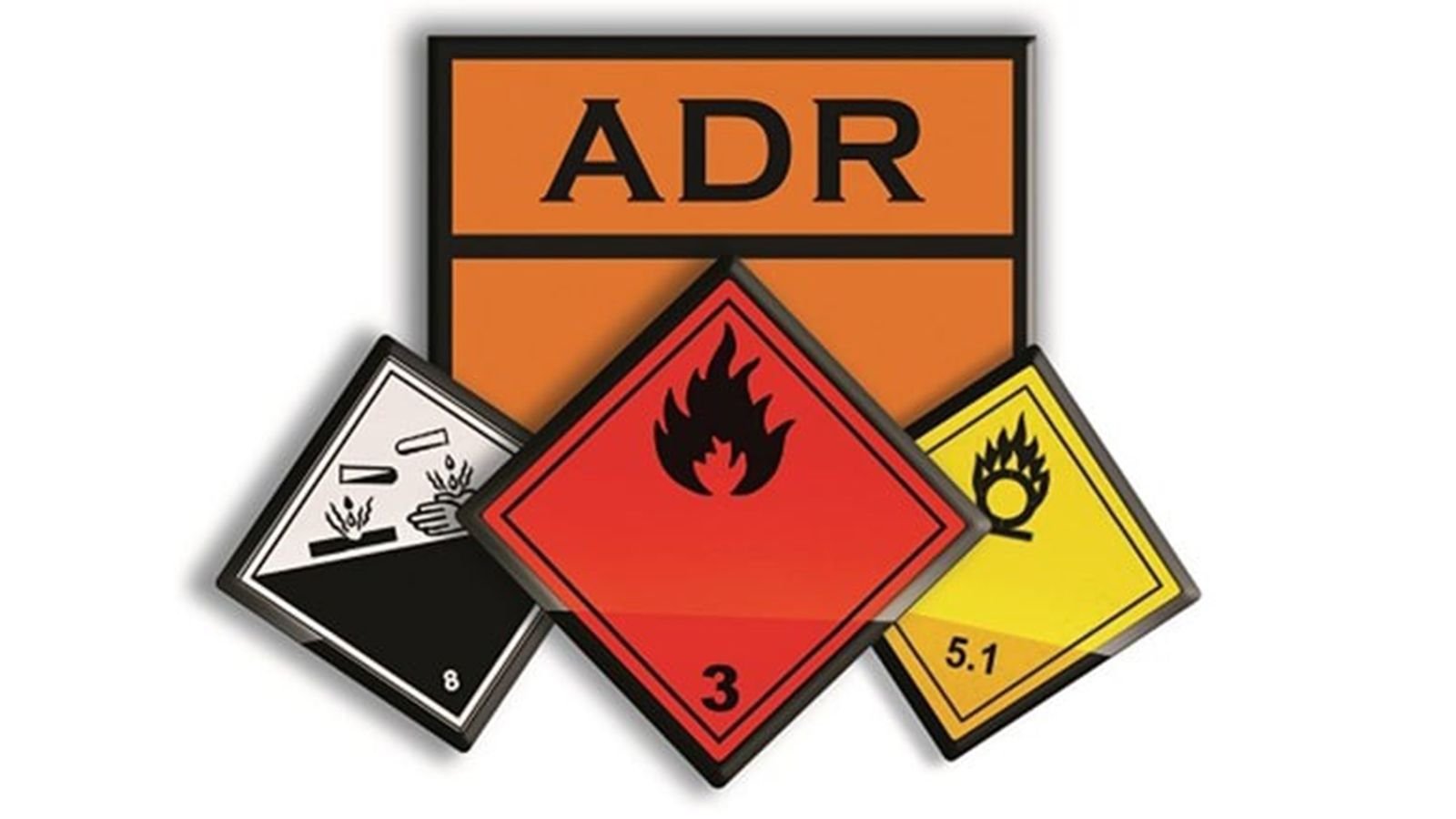
ADR stands for the “European Agreement concerning the International Carriage of Dangerous Goods by Road”. In French it is “Accord européen relatif au transport international des marchandises Dangereuses par Route”. This agreement regulates the international carriage of dangerous goods by road. The purpose of ADR is to make the transport of dangerous goods safer and to prevent possible accidents.
The Importance of ADR
ADR sets the international standards that must be followed when transporting dangerous goods. This is of great importance both for the transport sector and for environmental safety. Failure to comply with ADR can lead to serious accidents and environmental damage.
Dangerous Goods (ADR) Classes:
Dangerous goods classes group substances according to their degree of hazard. Under ADR there are 9 classes of dangerous goods in total.
Class 1: Explosives
This class covers substances that pose an explosion hazard. Examples include dynamite and gunpowder.
Class 2: Gases
This class covers compressed, liquefied or dissolved gases. Examples include oxygen and nitrogen.
Class 3: Flammable Liquids
This class covers flammable liquid substances. Examples include petrol and diesel fuel.
Class 4: Flammable Solids, Substances Liable to Spontaneous Combustion and Substances Which React with Water
This class covers solid substances that are flammable, liable to spontaneous combustion or react with water.
Class 5: Oxidizing Substances and Organic Peroxides
This class covers oxidizing substances and organic peroxides.
Class 6: Toxic and Infectious Substances
This class covers toxic and infectious substances that can harm human health.
Class 7: Radioactive Material
This class covers radioactive substances.
Class 8: Corrosive Substances
This class covers substances that can corrode metals and other materials.
Class 9: Miscellaneous Dangerous Substances
This class covers other dangerous substances that do not fall into the classes above.
Dangerous Goods (ADR) Transport
Transporting dangerous goods is a complex process that requires special regulations and rules. Great care must be taken during transport to avoid harming human health and the environment. Dangerous goods transport requires special training, equipment and attention, and compliance with ADR and other international regulations is critical to ensuring transport safety.
Dangerous Goods (ADR) Storage
This is the process of storing dangerous goods safely. It requires determining which class the dangerous substance belongs to and providing suitable storage conditions. ADR-compliant warehouses can safely store all kinds of flammable and chemical substances.
Final Word
ADR and the dangerous goods classes are of great importance in the transport of dangerous goods. These classifications are used to increase safety in the transport sector and to prevent environmental damage. Compliance with ADR is a critical factor in ensuring safety in international transport.